
World building is an art that breathes life into the pages of a story, transforming blank sheets into living, breathing universes that captivate the reader’s imagination. As we dive into the essence of creating fictional realms, we draw insights from various novelists in several different genres, exploring the depth and breadth of world building in fiction writing.
I’ve lectured on this topic several times – I absolutely love talking about world building! If you would like to download the slides from my lecture, you can check them out here:
Introduction to World Building
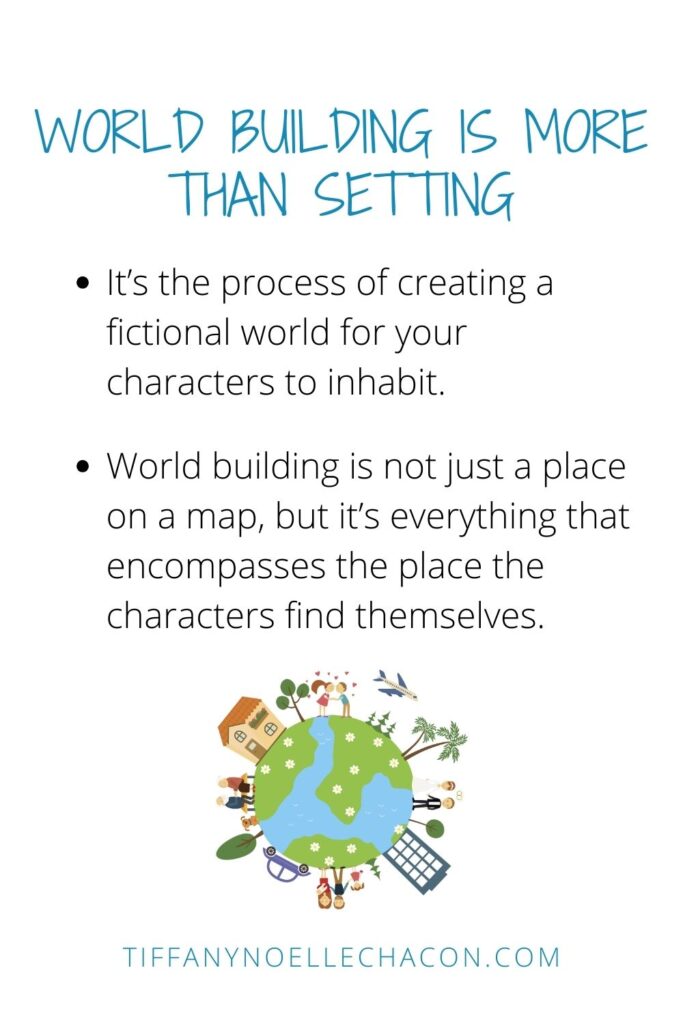
- What is World Building? It’s the process of crafting a fictional universe that goes beyond a mere setting, encompassing everything from language, culture, politics, and geography to laws, technology, and social norms.
- Universal Application: Far from being confined to science fiction or fantasy, world building is essential across all genres, including contemporary fiction, romance, and historical narratives.
The Essence of World Building
- More Than a Setting: Taking J.R.R. Tolkien’s Middle Earth as an example, we see world building as a comprehensive creation that includes not just the geography but the lore, languages, and cultures inhabiting that world.
- The Texture of Fiction: World building adds the texture and depth that makes a fictional world real and believable, similar to how detailed brushstrokes give life to a painting.

Setting the Stage: World Building as a Foundation
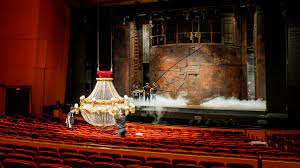
- Backdrop for Narrative: Just like the dynamic set of a play, the world in a story supports and enhances the narrative and character development. Consider yourself as a set designer as you create the backdrop for your world.
The picture below is of the Phantom of the Opera set as it’s being built. The set is very dynamic – it won all kinds of awards because it’s just that good. When Christine and the phantom went down into his lair, the whole set was moving as they went down the stairs and as they got into the boat. The part of the play where the chandelier drops, it actually fell about halfway down!
So this is what’s ideal for a play – a backdrop that is dynamic, that lends a helping hand to the story and the characters. This is the same for creating a fictional world in a novel. We want something that is dynamic and gives our characters support.
- Foundation vs. Facade: Writers must choose between crafting a detailed, award-winning world that actively contributes to the story or settling for a simplistic backdrop that adds little depth to the narrative.

Practical Aspects of World Building
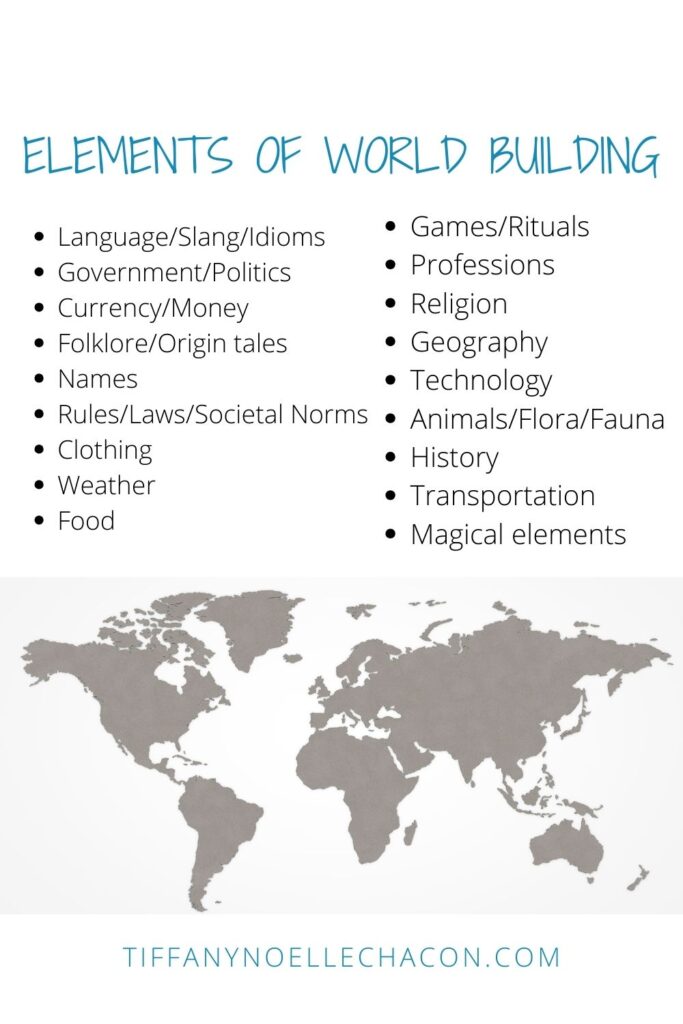
- Elements to Consider: From language and government to currency, clothing, and technology, each aspect of the world should be thoughtfully developed to support the story.
- Building a Living World: Engage in exercises like walking your characters through an ordinary day in their world to discover unique world building opportunities that enrich your narrative.
World Building Supports Plot and Characters
- A Balanced Approach: The fictional world should serve the plot and characters, not overwhelm or distract from the narrative.
- Interactivity is Key: Ensure that your world allows for meaningful interactions between characters and their environment, enhancing the story’s depth and engagement.
The Stakes Are High: Establishing Importance
- Setting the Stakes: Use world building to establish what’s at stake in the story. Read the opening lines of your favorite novels and see how the setting immediately indicates the central conflict and stakes.
- First Impressions: The beginning of your story should clearly introduce the world and hint at the central conflicts, inviting readers into the narrative and setting expectations.
Engaging Through Details
- The Power of Objects: Incorporate objects specific to your world in ways that reveal character, setting, and plot. As you read novels with great world building, take note of how they incorporate objects that are specific to their fictional world and ground the reader in the reality of that world.
- World Building Through Reading: Enhance your skills by reading widely and analyzing how other authors successfully build their worlds, regardless of genre.
Refining Your World
- Revisit Your Opening: Reflect on the opening lines of your story. Are you effectively inviting readers into your world and setting the stage for what’s to come?
- The Realism of Your World: The believability of your fictional universe directly influences the reader’s immersion and engagement with the story.
Conclusion: A Labor of Love
- The Writer’s Journey: Like running a marathon, the process of world building is long and demanding, but it is essential for creating a story that resonates deeply with readers.
- The Realness Factor: The more time and effort you invest in crafting your world, the more vivid and engaging it will become, not just for you, but for your readers as well.
By approaching world building as an integral part of your writing process, you ensure that your fictional worlds are as rich and detailed as the characters and stories they host. Whether you’re penning a sweeping epic or a nuanced contemporary tale, the worlds you create are the foundations upon which your narratives stand, inviting readers to explore, imagine, and believe.
To download the slides for my full world building class, head here:

Conciere
March 26, 2024 - 5:30 am ·Nice presentation at perfect your writing process summit. THANKS!
tiffanynoellechacon
March 26, 2024 - 10:15 pm ·Thank you so much! I’m glad it was helpful.